Guides
Cook From What You Have: A Realistic Plan for Using Up Your Pantry
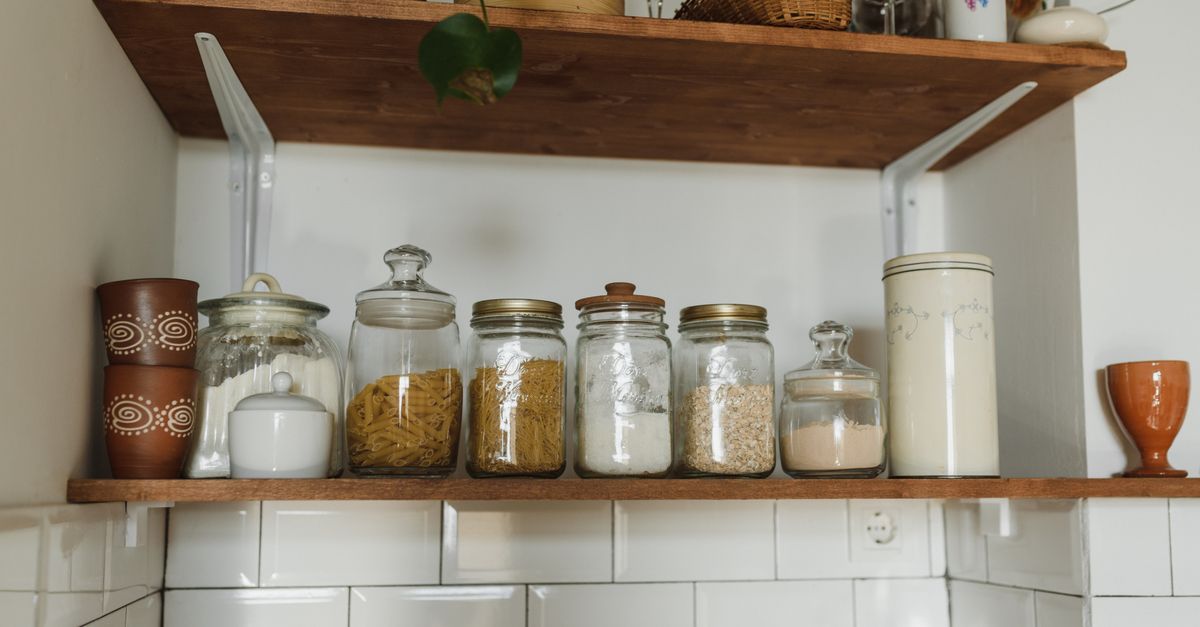
“Cook from what you have” is good advice for a single person standing in front of an open fridge. It gets a lot harder when the half-used bag of rice, the lonely can of chickpeas, and the produce about to turn all have to fit into a meal that’s also halal, also nut-free, and also won’t make the picky eight-year-old refuse to sit down.
Sort your pantry by constraint before you sort it by recipe
Most “use it up” advice starts from the ingredients and works toward a dish. For a mixed-diet household, flip that: start from what’s already safe for everyone (your effective allow-list), and only then look at what’s sitting in the pantry that fits inside it. An ingredient that’s perfect for a recipe but unsafe for one member isn’t a pantry-clearing win — it’s a separate dish you didn’t plan for.
A practical weekly rhythm
- Do a five-minute pantry and fridge scan before you plan, not after. Note what’s perishable and close to its date — that’s what should anchor at least one or two meals this week, not get planned around.
- Match what’s expiring against your household’s shared allow-list first. If the produce that needs using is something everyone can eat, build the week’s shared base dish around it. If it’s only safe for some members, it becomes a side or an add-in, not the center of a shared meal.
- Treat staples (rice, lentils, oils, a shared spice blend) as the connective tissue between “what’s expiring” and “what’s allowed.” These are almost always safe across diets and stretch further than the perishables, so they’re what should carry the bulk of the meal.
- Accept that some pantry items just aren’t going to fit this week’s constraints, and that’s fine. Not every ingredient earns its way into a shared dish. A jar of something only one person can eat is better used in that person’s individual side portion than forced into a dish meant for the whole table.
Why this is a budget habit as much as a waste-reduction one
Using up what you already have isn’t just tidier — it’s the cheapest meal you’ll cook all week, because you’ve already paid for it. Households juggling multiple diets often over-buy out of caution (“just in case nobody can eat the planned dish”), which means the pantry fills up with abandoned partial bags faster than a single-diet household’s would. A weekly pantry check, run against your actual allow-list rather than a vague memory of who eats what, catches that waste before it becomes a write-off.
Build your household’s plan and let this week’s plan account for what’s already in your kitchen, not just what’s on the shelf at the store.

