Nutrition
Cooking for a Nut Allergy Without Turning the Kitchen Upside Down
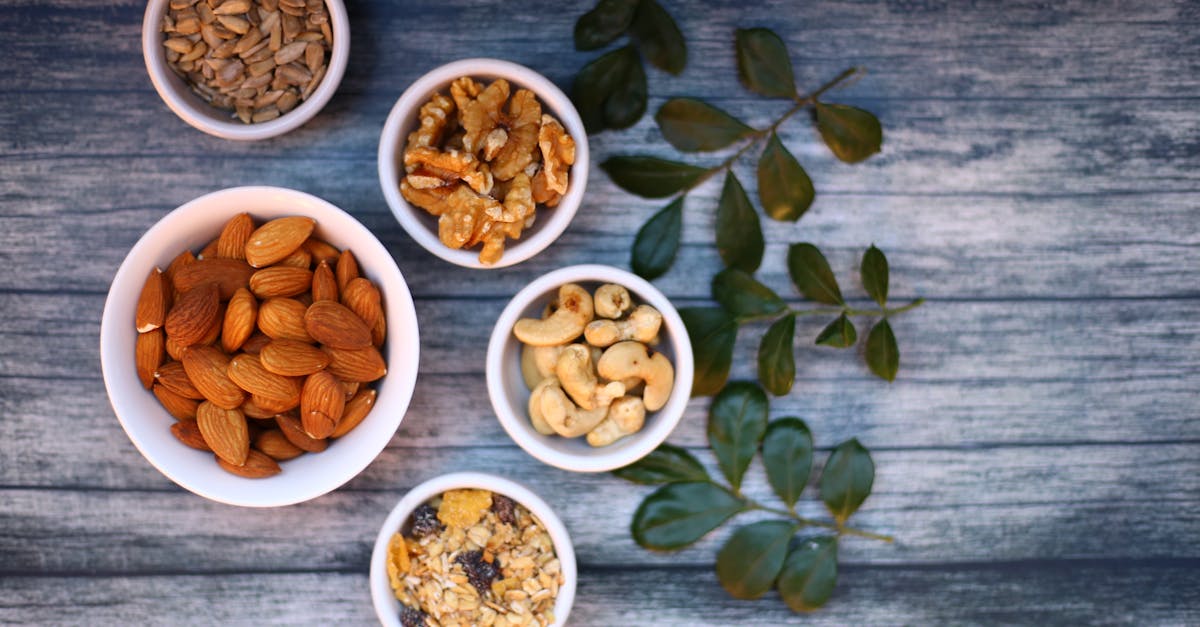
A nut allergy diagnosis often triggers an overcorrection: every jar gets thrown out, every shared dish gets second-guessed, and cooking starts to feel like defusing something. Some of that caution is warranted — nut allergies can be severe, and cross-contamination is a real risk, not a theoretical one. But the response doesn’t have to be “nothing in this kitchen can ever touch a nut again.”
This is general guidance on kitchen practice, not medical advice — the severity of a specific allergy, and what precautions it actually requires, should come from an allergist, since reaction thresholds vary significantly between individuals.
The real risk is cross-contamination, not just direct ingredients
The hard exclude here isn’t only “don’t add nuts to the dish” — it’s “don’t let nut residue reach the dish at all,” which is a meaningfully different and stricter standard. A cutting board, a knife, a shared serving spoon, or even oil that previously cooked something nut-containing can carry enough residue to matter for a severe allergy.
A workable set of kitchen habits
- Designate a small set of nut-free tools — one cutting board, one set of utensils — rather than trying to deep-clean everything between every use. Color-coding them (a specific color board, used only for nut-free prep) removes the guesswork.
- Cook the shared dish nut-free by default, and add nuts as a garnish at the table for whoever wants them, rather than building nuts into a base sauce or dough that’s hard to separate afterward. A nut-free curry with a small bowl of toasted cashews on the side works for everyone; a curry with the cashews blended into the sauce doesn’t.
- Check labels on shared pantry staples, not just obvious nut products. Cross-contamination warnings (“may contain traces of tree nuts”) appear on a surprisingly wide range of packaged goods — cereals, chocolate, baked goods — and are exactly the kind of hard-exclude check that’s easy to miss if you’re only scanning ingredient lists, not allergen warnings.
- Keep nut products that do stay in the house clearly separated and sealed, rather than banning them outright if other household members rely on them. A labeled, sealed shelf is usually enough to manage the risk without eliminating a food group for everyone.
Why this is a “check every time” rule, not a “set it up once” rule
The hardest part of managing a nut allergy in a shared kitchen isn’t the big, obvious decisions — it’s the small ones that repeat every single day: which spoon did you just use, did that oil cook something else first, does this new snack someone brought home carry a trace warning. This is exactly the kind of repetitive, detail-heavy check that benefits from being built into the planning step rather than re-evaluated from memory every night — a written, hard-excluded ingredient list checked automatically against every meal removes the daily mental load of re-verifying it.
Build your household’s plan and let a nut allergy sit in the plan as a hard exclude checked against every single meal, not a rule everyone has to remember from memory.